


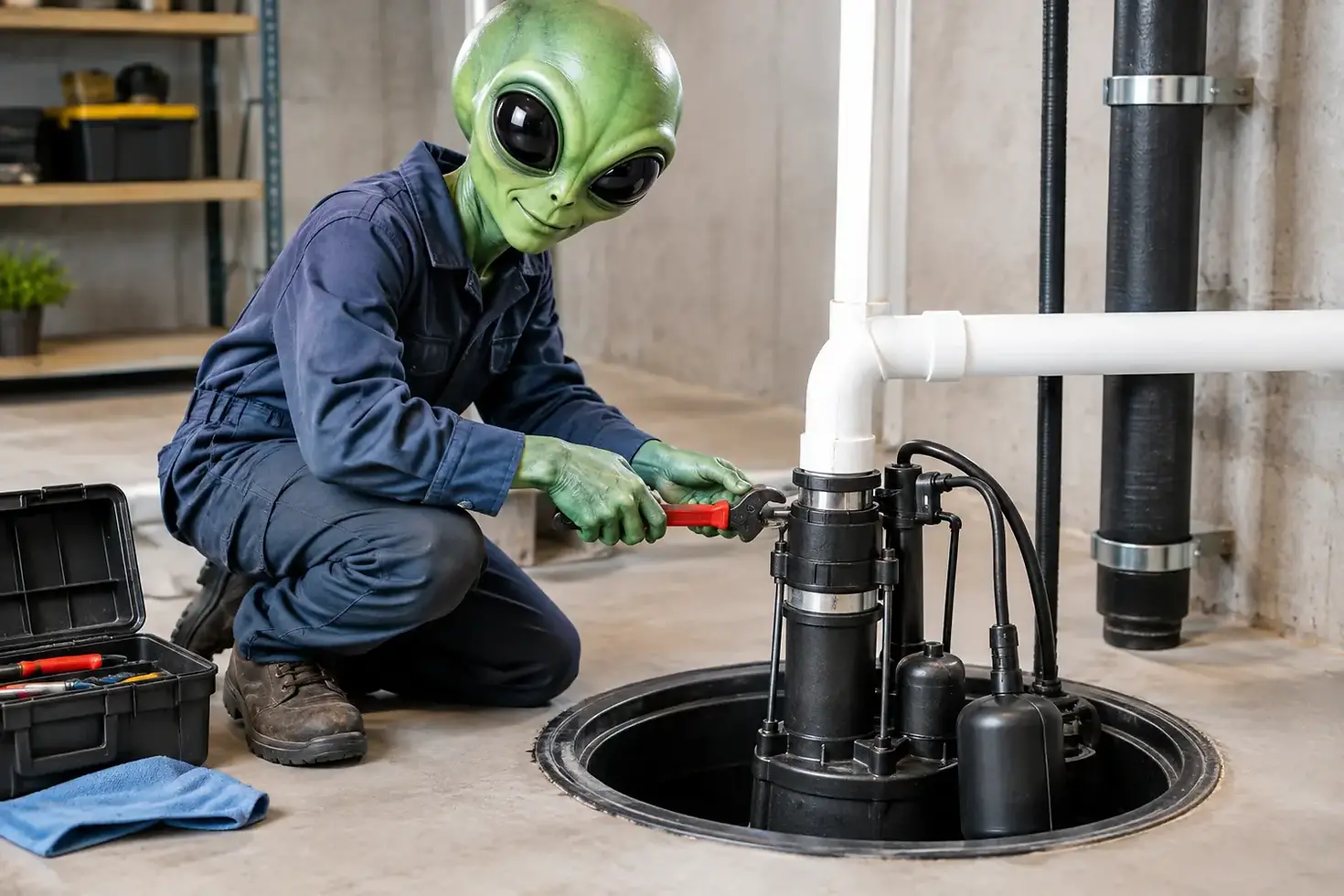
Installing Sewage Ejector Pumps Without a Boss Fight
A basement bathroom below the main sewer line has one unavoidable enemy: gravity. Wastewater cannot magically climb uphill to reach the building drain. That is where installing sewage ejector pumps becomes the mission-critical move. Get the tank, pump, discharge piping, vent, check valve, alarm, and electrical supply working as one system, and the job runs quietly in the background. Miss one of those pieces, and your new bathroom can turn into a very expensive arcade game called Return of the Backup.
This is not a place to improvise with a bargain pump and a bucket-sized pit. An ejector system handles toilet waste, gray water, and solids. It needs the right basin volume, a pump rated for the job, code-compliant piping, and an installation that remains serviceable years from now. For homeowners, the smart play is usually to understand the system and hire qualified plumbing and electrical professionals. For contractors and installers, the details below are the checkpoints that keep a straightforward project from becoming a boss battle.
What a sewage ejector system actually does
A sewage ejector system collects wastewater from fixtures installed below the level of the building sewer or septic connection. The wastewater flows by gravity into a sealed basin. As the basin fills, a float switch starts the pump, which pushes the contents through a discharge pipe up and out to the gravity drainage line.
This differs from a sump pump. A sump pump moves relatively clean groundwater. A sewage ejector pump is designed to pass solids and is built for wastewater duty. Some applications call for a solids-handling ejector, while others require a grinder pump that reduces solids before pumping through smaller-diameter pressure piping. Those are not interchangeable choices.
The right equipment depends on fixture load, vertical lift, total pipe run, pipe size, and the receiving system. A simple half-bath may have very different demands than a basement apartment, a farm office, or a workshop with a washroom. Start with the actual use case, not the horsepower number printed in the biggest box.
Plan the system before the excavation starts
A successful installation starts with a layout. Confirm where wastewater will enter the basin, where the discharge line will tie into the drainage system, and how the basin will be vented. Also identify the electrical route, alarm location, access requirements, and any local permit or inspection requirements before concrete is cut or a pit is excavated.
Size the basin for serviceability, not just survival
The basin must be large enough to handle the expected inflow and give the pump reasonable run cycles. A pit that is too small can cause frequent cycling, which wears on switches and motors. A pit that is oversized without a thoughtful control setup can allow wastewater to sit longer than necessary. The target is a properly sized, sealed basin with room for the pump, float equipment, inlet piping, and future service.
Choose a durable basin and lid intended for sewage use. The lid should seal against odor and moisture while still allowing access for pump removal and inspection. If the installation is below a finished floor, plan the access opening now. Hiding every component behind permanent flooring may look tidy on day one, but it is a low-score move when the pump needs service later.
Calculate head, not just horsepower
Pump performance is governed by total dynamic head. That includes the vertical lift from the basin to the discharge connection plus friction losses through pipe, fittings, valves, and horizontal runs. A pump may look powerful on paper but deliver far less flow when asked to lift sewage several stories or push it through a long discharge line.
Read the pump curve. Match the anticipated head to the flow rate needed for the application. More horsepower is not automatically better. An oversized pump can create abrupt pressure changes, short cycles, and unnecessary strain, while an undersized unit may run too long or fail to keep up during peak use.
Installing sewage ejector pumps: the critical components
Once the layout and equipment are confirmed, installation becomes a system-building exercise. The components below do the heavy lifting together.
Set the basin level and protect its connections
Install the basin on stable, properly prepared support. For below-slab work, that usually means a level base that will not settle and disturb the inlet or discharge penetrations. Bring fixture drains into the basin with the required slope, and use compatible, properly sealed connections.
Keep the lid accessible and level with the intended finished floor arrangement. If groundwater conditions are high, local requirements and site conditions may call for additional measures to resist movement or infiltration. A sewage basin should not become an uninvited groundwater collector.
Use the right discharge pipe and valves
The discharge pipe carries pressurized wastewater, so material selection and joint methods matter. Use pipe and fittings rated for the application and sized according to the pump manufacturer, plumbing code, and system design. Avoid reducing pipe size just because a smaller line is easier to route. That shortcut can increase friction, invite clogging, and reduce pump performance.
Install a check valve on the discharge line to prevent the pumped column of wastewater from falling back into the basin after each cycle. A shutoff valve above the check valve makes future pump service much easier. Put both where they can be reached. If the valves are buried behind a wall or sealed under a slab, the next service call starts with demolition points.
Pipe support also matters. Vertical and horizontal runs should be properly secured so vibration, weight, and repeated pump cycles do not stress joints. Keep the routing as direct as practical, but do not sacrifice required clearances or service access to shave off one elbow.
Vent the basin correctly
A sewage ejector basin needs venting. The vent allows air movement as wastewater enters and leaves the basin, helps protect trap seals, and prevents pressure issues that can lead to odors or poor fixture drainage. It is not a decorative pipe. Tie the vent into the building vent system as required by the applicable plumbing code.
Do not assume an air admittance valve is a universal substitute for a basin vent. Whether it is permitted, appropriate, or sufficient depends on the local code and the exact system design. This is a good checkpoint for the licensed plumber and inspector.
Treat the alarm as essential gear
A high-water alarm warns that the wastewater level has risen beyond the normal pump cycle range. It may signal a pump failure, tripped breaker, stuck float, blocked discharge line, or unusually heavy demand. Without an alarm, the first warning may be wastewater appearing where nobody wants a surprise level.
Install the alarm float above the normal pump-on level but below the point where the basin could overflow. Place the audible and visual alarm where occupants will notice it, and test it during commissioning. For properties where downtime is especially costly, such as a busy home, farm building, or rental unit, consider notification options that fit the site.
Electrical setup is not a side quest
Ejector pumps operate in a wet environment and should be supplied by a properly sized, dedicated electrical circuit in accordance with the pump specifications and local electrical requirements. The receptacle, wiring method, grounding, and protective devices all need to be correct for the equipment and location.
Avoid sharing the pump circuit with freezers, tools, bathroom receptacles, or anything else likely to trip the breaker. Also avoid extension cords and improvised wiring. A sewage pump can be mechanically perfect and still fail the moment its power supply is treated like an afterthought.
Use a qualified electrician where required, and confirm whether the installation calls for GFCI protection, a disconnecting means, or specific receptacle placement. Follow the pump manufacturer's instructions alongside the local code. When those requirements differ, the authority having jurisdiction gets the final word.
Commissioning: test it before it becomes urgent
Before closing walls or finishing floors, test the entire system with clean water. Watch the pump start and stop. Confirm the discharge line remains leak-free, the check valve prevents noticeable backflow, and the basin lid seals properly. Test the alarm independently, not just by hoping it works during a real high-water event.
Listen to the cycle. Excessive banging may point to a valve issue or unsupported piping. A pump that cycles too rapidly may indicate float settings or basin sizing concerns. A pump that runs but moves little water may be fighting excessive head, a restriction, or an incorrect discharge configuration.
Document the pump model, float settings, circuit information, valve locations, and installation date. Leave the owner with operating instructions and a clear reminder of what should never enter the system: wipes, hygiene products, rags, grease, and mystery objects that believe they are invincible. Spoiler alert: the pump disagrees.
Maintenance keeps the system out of the danger zone
Even a well-designed ejector system needs periodic attention. Inspect accessible valves and piping for leaks, test the alarm, and listen for unusual pump behavior. The frequency depends on use. A rarely used basement bathroom may need only routine checks, while a high-use accessory dwelling unit or commercial-style space deserves a more formal maintenance schedule.
If the pump begins running constantly, fails to start, trips its breaker, makes unusual noise, or triggers the alarm, limit water use immediately and call a qualified service professional. Continuing to flush or run fixtures while the system is down is how a manageable repair becomes a full-blown wastewater respawn event.
The durable approach is simple: use a basin, pump, valves, controls, and piping that belong in the same system, then install them with access and future maintenance in mind. Roswell Concrete Products can help supply the wastewater components that keep your project on the right level. Build it right now, and your ejector system can quietly handle the dirty work while the rest of the property carries on with its high score intact.



Comments