


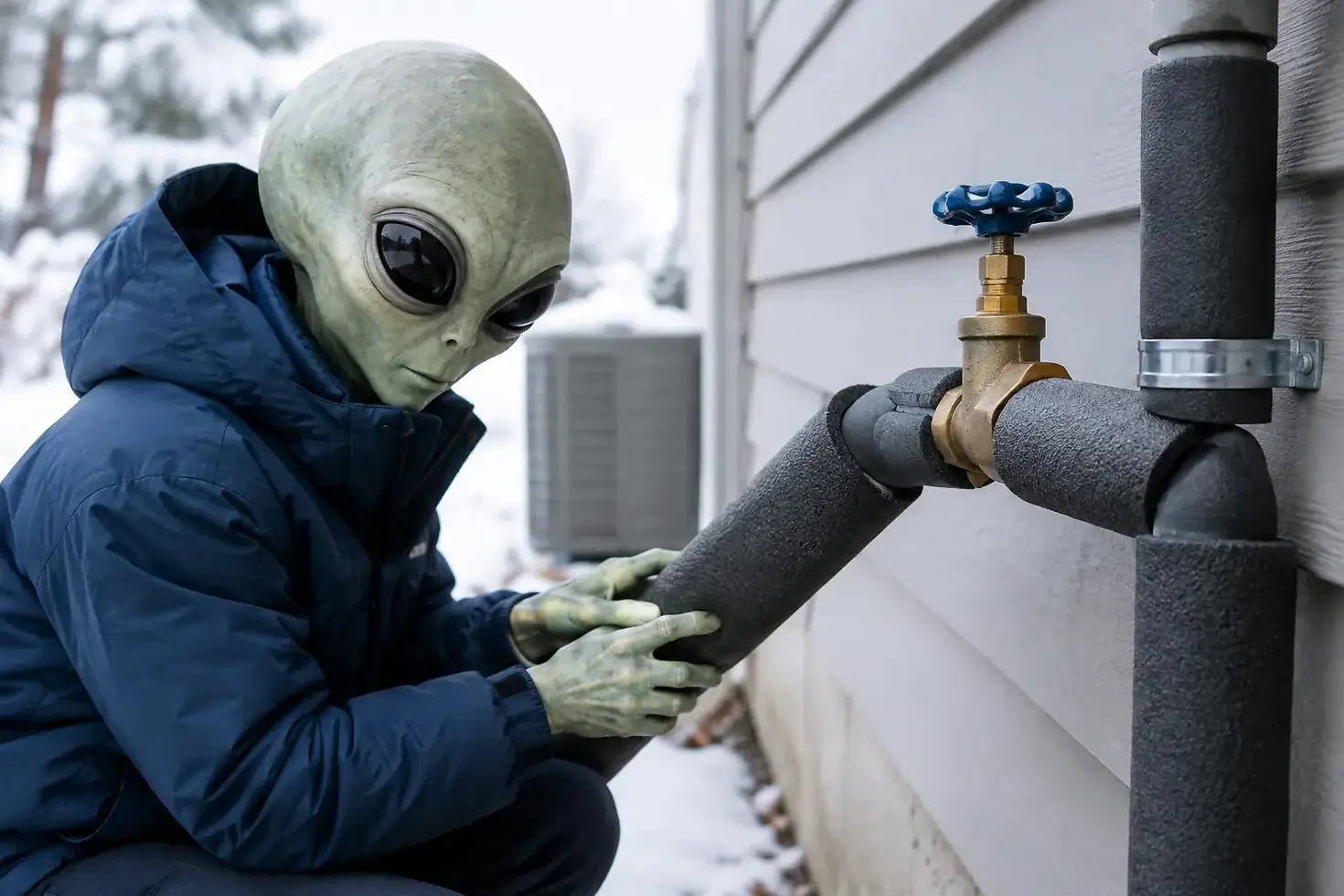
How to Prevent Pipe Freezing Before Winter Hits
A frozen pipe is winter’s cheap boss battle: it shows up overnight, blocks the water supply, and can turn into a burst-pipe mess when the temperature climbs back up. Knowing how to prevent pipe freezing is less about one magic gadget and more about protecting the vulnerable parts of your system before deep cold arrives. That includes indoor supply lines, outdoor taps, pump houses, barns, crawl spaces, and the plumbing that supports septic or water-storage equipment.
The goal is simple: keep water moving where it should move, keep cold air away from pipes, and remove water from lines that do not need to stay charged. Do that well, and Old Man Winter can keep feeding quarters into the arcade.
How to Prevent Pipe Freezing at the Source
Pipes freeze when water inside them loses heat faster than the surrounding building or ground can replace it. The most vulnerable lines are rarely the obvious ones. Look for pipes near exterior walls, unheated garages, crawl spaces, attic runs, utility rooms, mudrooms, barns, pump houses, and under sinks mounted on outside walls.
Start with a cold-weather walkthrough while you can still work comfortably. Open access panels, inspect exposed plumbing, and trace where your water enters the building. If a previous cold snap caused weak flow or a frozen section, treat that spot as a repeat offender. A pipe that froze once has already put its name on the boss list.
Outdoor hose bibbs deserve special attention. Disconnect hoses, drain them, and shut off the indoor supply valve if the faucet has one. Leaving a hose attached can trap water inside the faucet body and supply line, allowing ice to expand where it can crack fittings or valves. Install frost-proof faucets where appropriate, but do not assume they are invincible. They still need to be installed correctly and drained of attached hoses.
For seasonal buildings, vacant properties, and unheated outbuildings, the safest approach may be to shut off and drain the plumbing system completely. That decision depends on the building’s use, heating plan, and local conditions. If water must remain available, then insulation, heat, and monitoring need to be much more deliberate.
Insulate Pipes, Not Just the Room
A heated room does not guarantee that every pipe inside it stays warm. A supply line tucked behind a cabinet or running through an exterior-wall cavity can be sitting in a mini ice planet even when the thermostat says everything is fine.
Foam pipe sleeves are a practical first defense for exposed water lines. Choose insulation sized to fit the pipe, close all seams, and secure it so it cannot slip off. Insulation slows heat loss, but it does not create heat. In a truly unheated space, use it alongside a reliable heat source or a listed pipe-heating cable installed according to the manufacturer’s instructions.
Pay close attention to elbows, tees, valves, fittings, and short sections between insulated areas. These are easy to miss and often freeze first. If you are insulating a pipe run in a crawl space or utility room, do not stop three inches before the valve like an 8-bit hero falling one pixel short of the platform.
Protect the building envelope too. Seal openings around pipe penetrations, repair damaged weatherstripping, and close gaps where cold air can blow into crawl spaces and mechanical rooms. The right fix is not always more pipe wrap. Sometimes the real problem is a draft that is giving the pipe a direct blast of January air.
Keep Heated Spaces Warm and Air Moving
During a cold spell, hold indoor temperatures steady, including overnight and when no one is home. Turning the thermostat down too far may save a little on heating, but a burst pipe can burn through that savings at warp speed.
Open cabinet doors below sinks on exterior walls so warm room air can reach supply lines. This is especially helpful in kitchens, bathrooms, laundry rooms, and utility areas with limited airflow. Move stored items away from vents and do not block access around plumbing with boxes, feed bags, or mystery garage clutter.
Crawl spaces and pump rooms require a more site-specific approach. Some are designed to be sealed and conditioned, while others rely on ventilation and insulation strategies that vary by construction. Do not blindly close every vent or add portable heat without understanding moisture and combustion risks. If the space houses pumps, pressure tanks, controls, or treatment equipment, keep clear access for service and make sure any heat source is suitable for the setting.
For farms and rural properties, inspect water lines that serve livestock buildings, workshops, and detached garages. A long underground run may be protected below frost depth, but the points where it rises into a building are often the weak links. Insulate those transitions and protect them from wind exposure.
Use Running Water Carefully
Letting a faucet drip can help prevent freezing because moving water is harder to freeze than water sitting still. It is a useful short-term tactic for a known trouble spot during severe cold, especially if the line is difficult to access.
It is not the first move for every pipe, and it is not a substitute for insulation or heat. A continuous drip wastes water, can overload a marginal septic system if used widely or for long periods, and may create icy areas around discharge points. Use it selectively, not as your whole winter game plan.
If you choose to run water, use a small steady flow from both hot and cold sides when they share a vulnerable area. Check that drains are open and functioning. Never leave water running in a sink, tub, or utility basin with a questionable drain. Preventing one freeze should not create a different kind of wastewater side quest.
Protect Septic, Pump, and Water Storage Equipment
Most properly installed septic tanks and buried pipes benefit from earth insulation and normal system use. The ground temperature below frost depth is far more stable than the air above it. Trouble usually appears at shallow lines, exposed fittings, poorly protected risers, pump chambers, above-ground components, or systems with long periods of little use.
Keep snow cover over septic tank and drain field areas where practical. Snow is insulation. Avoid compacting it with repeated vehicle traffic, and do not pile heavy materials over tanks, lids, risers, or field areas. At the same time, do not use septic tank lids as a winter storage platform. Concrete is strong, but access covers and surrounding soil are not designed for every surprise mission.
Pump tanks, alarm floats, and discharge lines deserve a pre-winter inspection, particularly where effluent is pumped uphill or through a shallow route. Confirm that the system is operating normally and that alarms work before the cold arrives. A frozen discharge line can cause backups or trigger alarms, and the solution may involve more than thawing a visible pipe.
Cisterns and water storage systems need similar attention. Insulate exposed piping, protect pumps and pressure equipment in a heated enclosure, and confirm overflow and drain arrangements will not ice up. If a storage tank is seasonal, follow the manufacturer’s and installer’s winterization procedure rather than improvising with antifreeze or heat sources that do not belong in potable-water equipment.
Monitor During Deep Freezes
A quick daily check during extreme weather can stop a small problem from becoming a full-scale plumbing respawn. Listen for unusual pump cycling, watch for reduced flow at faucets, and check exposed piping for frost, sweating, bulging, or cold spots. If a faucet produces only a trickle, act early. Do not wait for a total freeze.
Know where your main water shutoff is, and make sure everyone responsible for the property can reach it. Test it before an emergency, not while water is launching across a basement like a broken fire hydrant. For pump systems, know where the electrical disconnect is as well.
A temperature sensor or freeze alarm is a smart upgrade for unoccupied homes, cottages, pump rooms, barns, and outbuildings. Place it near the vulnerable plumbing, not only near the thermostat. Remote monitoring is especially valuable when a property cannot be checked every day.
If a Pipe Starts to Freeze
If you suspect a frozen pipe, keep the affected faucet open and warm the pipe gradually with warm air. A hair dryer on a low setting or a safe space-heating method may work for an exposed, accessible section. Start near the faucet and work back toward the suspected frozen area so melting water has somewhere to escape.
Never use an open flame, torch, or high-heat tool on plumbing. Beyond fire risk, rapid heat can damage pipe materials, fittings, insulation, and nearby building components. If the frozen section is hidden, if you see a bulge or leak, or if a septic or pump discharge line is involved, call a qualified plumbing or wastewater professional.
Winter plumbing protection is not glamorous. Neither is a septic tank, until it saves the day. Give pipes the insulation, heat, drainage, and attention they need before the deep freeze hits, and your property can keep running like a well-maintained classic console: no glitches, no leaks, no frozen-water boss battle.



Comments